Design Matters, IMEX’s Talking Point for 2026/27, is shining through at IMEX Frankfurt this week. The show’s booths, activations and expansive education program all highlight the many ways in which intentional, thoughtful design is transforming event experiences.
Event professionals today gained insights into how design choices—from cultural inclusion to first impressions—shape not only how events look, but also how they feel and perform.
Designing with intention
At the Inspiration Hub in A global perspective on inclusion as a core design principle, attendees learned how cultural awareness and inclusion are increasingly integral to authentic event design.
Julia Swanson from Melbourne Convention Bureau pointed to the importance of recognizing First Nations communities in event planning: “Cultural inclusion's paramount. In Australia, recognizing the First Nations community is essential and ensuring they’re represented in events is a key priority. Our role as a CVB is to ensure our clients embrace this, for example inviting a First Nations representative to give a welcome or speak at an event.”
Melissa Riley from Destination DC added: “Designing an event with everyone in mind right from the very beginning ensures that all attendees, regardless of their needs, have a great time—we call it the "shiny eye experience".”
Audience-member US-based buyer Danae Winn, who runs corporate incentives worldwide, emphasized the importance of creating impactful moments, particularly at the start of an event: “One of my design priorities is ensuring a great welcome. First impressions count and set the tone for the rest of the event.”
In Personalizing with intention: Designing attendee-first experiences, Sofia Eriksson from Amex GBT Meetings & Events also stressed the importance of the "starting moment": “Know that your attendees will only remember the peak emotional moments so plan these—especially the start and the end—on purpose. The more senses you use the more deeply embedded the memory so make use of smell, touch, color, sound and taste to heighten your event’s impact and make the impression, and ROI, a lasting and powerful one.”
Balancing multiple perspectives
Designing for impact often involves navigating complex stakeholder needs.
Nicola Colbeck from UK-based Sparq Live highlighted the reality for many in the corporate sector: “Some of my biggest corporate clients have multiple stakeholders and that often means aligning many different perspectives.”
For others, creativity and originality remain key differentiators. Corrado Alberti, from Next Group, said: “As an agency we like to offer something unconventional that’ll make our event proposal stand out from the crowd. This often takes the form of interesting and memorable activities—our team have great on-the-ground contacts that enable us to tap into the latest happenings and hot topics.”
Sustainability starts with design
Sustainable design should also be high on the agenda; a conversation explored in: Good design is good business: Lessons learned.
Matthew Burgess from the UK Design Council highlighted that 80% of a product’s environmental impact is determined at the design stage meaning that designers are in a powerful position to make positive changes.
He explained: “At the World Design Congress we engaged stakeholders—that's suppliers, partners and sponsors—around sustainable event design from the outset, taking them on the journey with us.”
IMEX Frankfurt—design in action
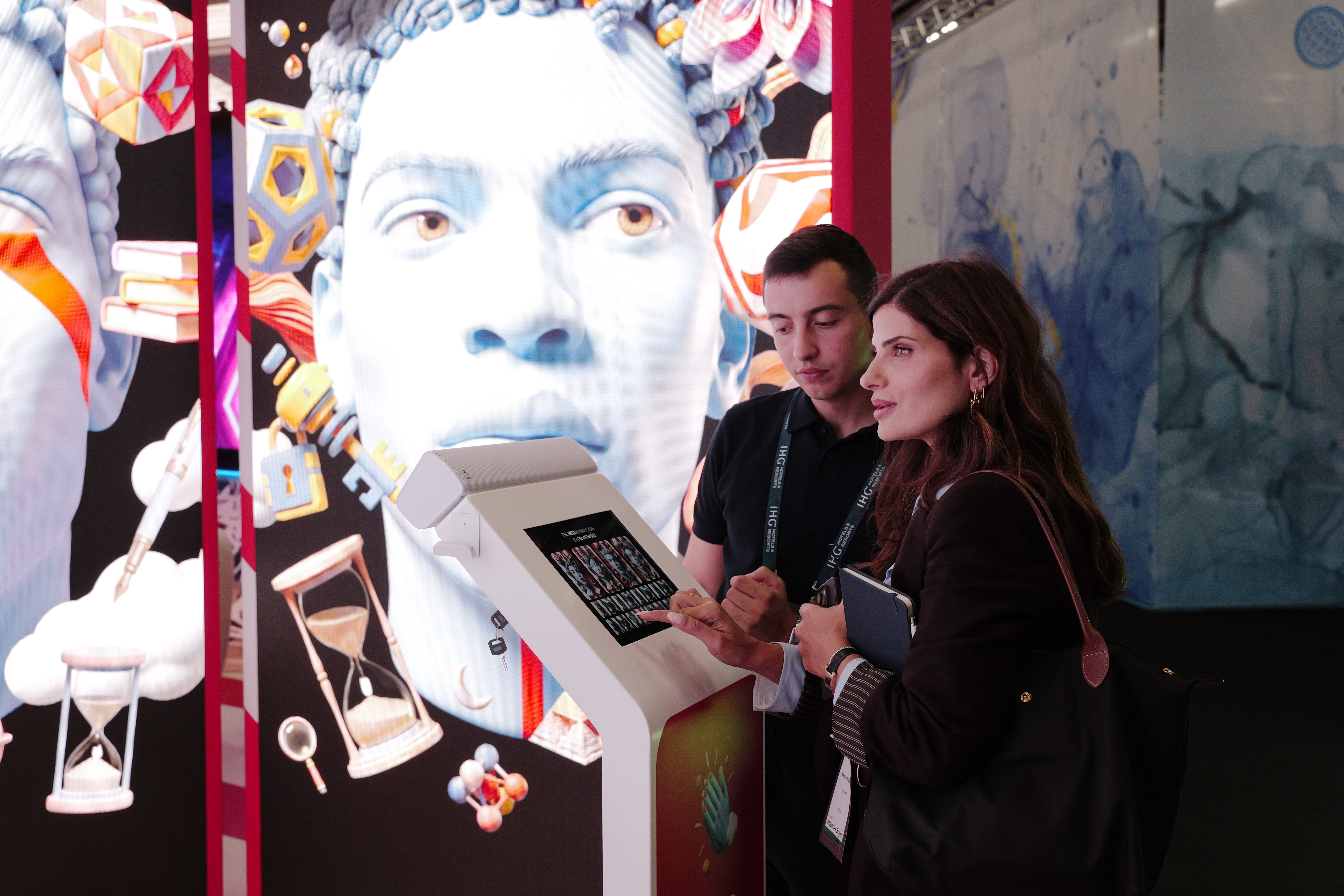
IMEX Frankfurt itself reflects this focus, with a redesigned Hall 9 showcasing how layout, texture, wayfinding, flow, color and even smell can all contribute to an improved, more memorable attendee experience. New Hall 9 activations include the Metahuman Choir and a digital graffiti wall.
IMEX Frankfurt continues until Thursday, May 21.