Every other year, IMEX sets a Talking Point to focus the industry’s attention on a theme we believe genuinely matters. Not as a trend. Not as a slogan. But as a way to shape better conversations, better decisions, and ultimately better outcomes for the global events community.
For 2026 and 2027, that Talking Point is Design Matters.
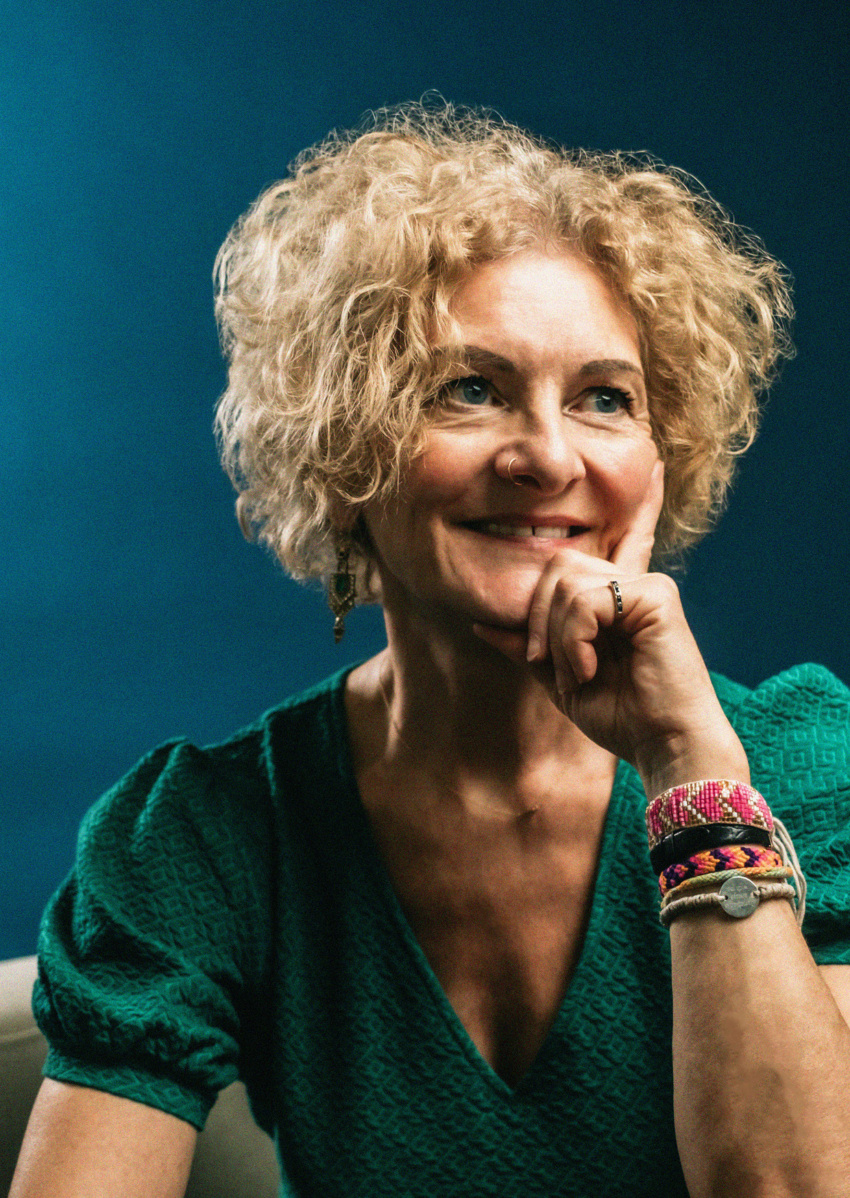
We sat down with our CEO, Carina Bauer, to explore why design has moved from the margins to the mainstream of business strategy, what she’s noticing about sameness in a world shaped by AI, and why thoughtful, human-centered design is fast becoming the difference between events that fade from memory—and those that truly resonate, even transform.
Q: Carina, what feels different about the moment we’re in right now?
A: There’s a sense of acceleration everywhere—technology, expectations, pace. At the same time, a lot of things are starting to look and feel very similar.
AI is extraordinary. But when everyone has access to the same tools, there’s a real risk of homogenization. Logos, layouts, even experiences can begin to blur together if they’re not guided with intention.
What stands out to me is that the things people remember aren’t the fastest or most efficient outputs. They’re the moments that feel considered. Human. Designed with care, craft and intention.
Q: You’re talking about design as something deeper than aesthetics.
A: Very much so. Design isn’t decoration—it’s how something works, how it flows and how it makes people feel.
When an attendee moves through a venue with ease, connects with the right people, or leaves feeling energized rather than drained, that’s not accidental. It’s the result of many thoughtful design decisions grounded in human behavior, skill and emotional awareness.
The best design often goes unnoticed because it feels intuitive. Seamless. That’s not magic. It’s craft.
Q: Many people would describe those outcomes as instinct or intuition.
A: Intuition plays a role, but it’s usually experience in disguise.
Great event professionals develop an understanding over years—how people move, where friction appears, what creates comfort or curiosity. They may not always label those decisions as “design,” but that’s exactly what they are.
It reminds me of Malcolm Gladwell’s book Blink, where he investigates expert intuition and demonstrates how deep lived knowledge allows people to make better decisions quickly. Our industry is full of that expertise. We just don’t always acknowledge it as design.
Q: Why does design feel especially critical now?
A: Because efficiency on its own is no longer enough.
As AI takes on more tactical execution, the value shifts to judgment, creativity and cultural nuance. The World Economic Forum identified creative thinking and curiosity as skills rising sharply in demand toward 2030, and that aligns closely with what we’re seeing.
The question isn’t whether to use technology—it’s how to use it without losing the human touch and sensibility. Design is where that balance is struck. It’s where values become visible and strategy becomes tangible.
Q: Has IMEX’s own experience influenced this thinking?
A: Very much so. We have an in-house design studio led by Anna Gyseman, and working with that team over the years has reinforced how closely design and business outcomes are linked. When we refreshed the IMEX brand a few years ago, it wasn’t about following a trend. It was about clarity—who we are, what we stand for, and how we want people to feel when they engage with us.
Good design builds trust. It helps people navigate complexity. And it creates memories that last far beyond a single moment or transaction. That’s true for brands, for events, for cities and even countries.
Q: Is that what led to Design Matters becoming IMEX’s Talking Point for 2026 and 2027?
A: Yes. It felt like the right articulation of what we’ve been observing for some time.
Design has become the ultimate differentiator. Not because it looks good, but because it shapes experience, perception and impact. In an environment where attention is scarce and expectations are high, design determines who stands out and who gets remembered.
There’s also a wonderful alignment in timing. Frankfurt RheinMain has been designated World Design Capital for 2026, which gives us a broader cultural context for these conversations. But the theme goes far beyond one location. It speaks to how our entire industry thinks, plans and creates.
Q: You’ve defined three focus areas for Design Matters. Can you walk us through them?
A: We wanted lenses that were practical and expansive at the same time.
The first is designing for enjoyment. Somewhere along the way, many industries—including ours—forgot that experiences should feel good. Joy, pleasure and delight aren’t indulgent extras; they’re central to memory and meaning. Designing for enjoyment is about giving ourselves permission to create moments people genuinely love.
The second is designing for brand power. We’re fascinated by the cities, people and products that cut through noise with confidence and clarity. Strong design creates instant recognition and emotional connection. It tells a story before a single word is spoken.
And the third is designing for purpose. This is about brands and organizations using design as a force for positive impact—where authenticity matters, and where form follows values, not just function.
Q: How will these ideas show up in practice at IMEX?
A: They’ll influence everything from our education programming and partnerships to how the show floor evolves across IMEX Frankfurt and IMEX America.
Rather than prescribing solutions, we want to create space for exploration and inspiration. For exhibitors, it’s an opportunity to rethink how they express their story, heritage and intent.
For attendees, it’s an invitation to look more closely at how design shapes what they experience—and what they take away.
Q: If there’s one message you hope the events industry takes from Design Matters, what would it be?
A: Sameness doesn’t serve anyone. Not attendees looking for meaningful experiences. Not exhibitors trying to stand out. And not an industry built on the belief that live events create something vital and visceral that digital channels can’t replace.
Design matters because it’s how we honor the people in the room. It’s how we turn intention into experience. And it’s how we make work that’s remembered.
We look forward to seeing how the global events industry embraces Design Matters over the next two years.
2026 IMEX show dates:
IMEX Frankfurt May 19-21
IMEX America October 13-15