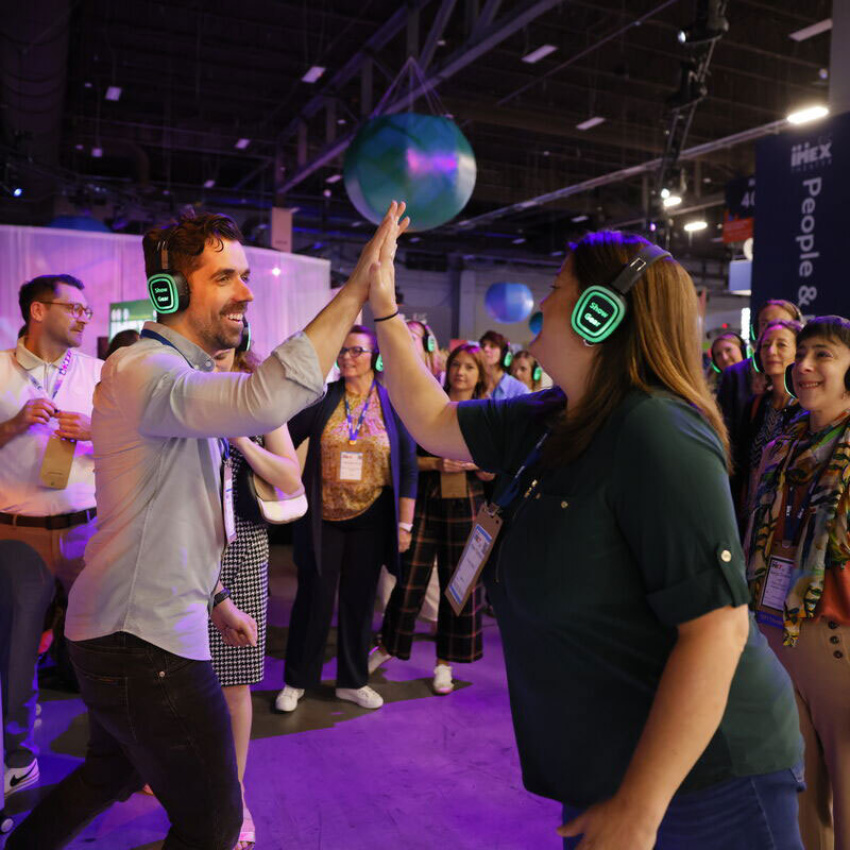
In the business events industry, building a community is a valuable way to help your attendees connect with your event and one another—turning a one-time gathering into an ongoing relationship.
A sense of community can also help exhibitors and partners make more meaningful connections with prospective buyers and encourage people to return, contribute and share their experience at your event with others.
A strong sense of community increases engagement, loyalty, advocacy and year-round participation.
Community building can’t be treated as an add-on or an afterthought. It needs to be planned, nurtured and designed into every stage of the event experience including your marketing strategy.
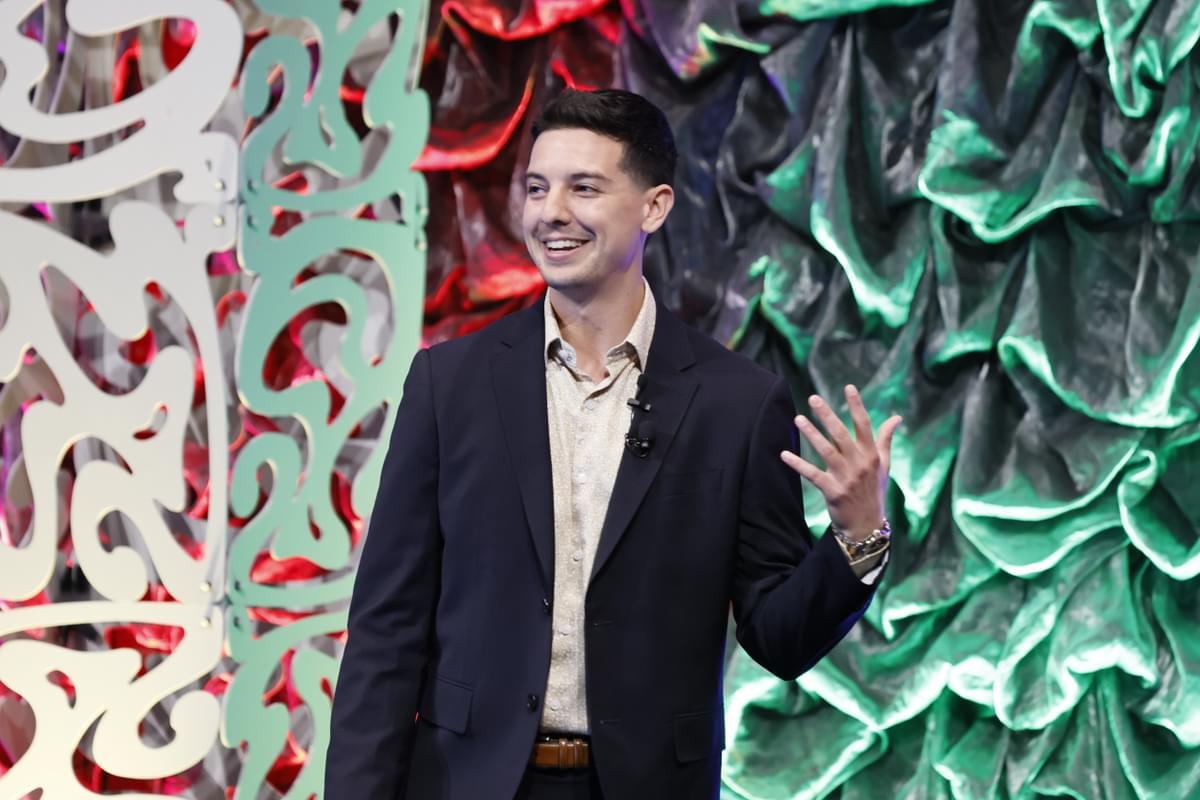
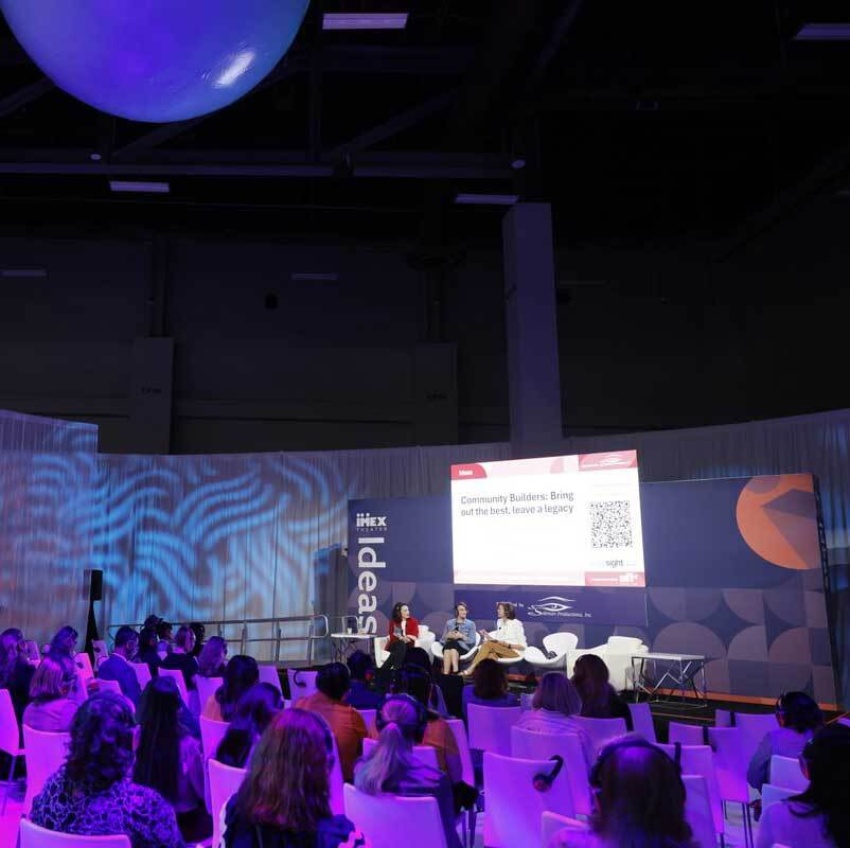
At IMEX America 2022, Shane Feldman, CEO and Founder of Count Me In, shared a simple but powerful idea: community is not something you find; it’s something you create.
It’s a lesson Shane learned from personal experience. On his first day of high school, he found himself eating lunch alone, surrounded by 1,500 people but unsure how to connect. That experience led him to plan an event for newcomers. He hoped 50 people would attend. When 400 came through the door, Count Me In was born.
The movement has since impacted 10 million young people in 100 countries. His story holds a clear message for event professionals: people don’t become a community just because they're in the same room. They become part of a community when they feel seen, heard, involved and connected to something that continues beyond the event itself.
Audience vs. community: what's the difference?
- An audience attends an event. A community helps shape it.
- An audience typically engages at a single point in time. They register, attend sessions, make connections and leave.
- A community goes further. Community members stay connected, contribute ideas, share knowledge and continue conversations throughout the year.
Attendees become part of a community when people:
- Connect with each other, not just with organizers
- Share expertise and experiences
- Participate in discussions year-round
- Help welcome and support new members
- Feel a sense of belonging
- Repeatedly return because of the relationships they've built
The key difference is that an audience passively consumes content, while a community adds to the conversation. Communities convert one-time attendees into long-term advocates.
Audience
- Just attends the event
- Passively consumes content
- Receives information
- Has a transactional relationship with the organizer
Community
- Participates year-round
- Creates conversations
- Shares insights and expertise
- Builds ongoing relationships with peers and organizers
For event organizers, the goal isn't to have either an audience or a community. Successful events need both. But if you want people to return, advocate for your brand and feel part of something larger, you need to build community with structure, care and a clear purpose.
Articles you'll love:
Shane Feldman’s five fundamentals of event community building
During his session, Shane shared five fundamentals for successful community building:
- Foster meaningful relationships
- Create real connection
- Listen more than you speak
- Empower people around you
- Scale up your impact
Together, they create a practical framework for event professionals who want to build stronger communities.
1. Foster meaningful relationships
Relationships are at the heart of every strong event community.
Relationships make us human. Whether you work in software sales, hotels, venues or cruise lines, success depends on the strength of your relationships with suppliers, partners, team members and your customers.
For event organizers, this means designing experiences that help people move beyond polite introductions. Networking shouldn't be left to chance. It should be supported by clear opportunities to meet, talk and follow up.
That might mean:
- Curated meetings
- Moderated discussion groups
- Informal networking spaces
- Small-group education sessions such as roundtables
- Digital prompts ahead of the event that help people find others with shared interests
The format can vary, but the goal stays the same: make it easier for people to build useful, genuine relationships.
2. Create genuine connection
Communities are built through moments of real connection.
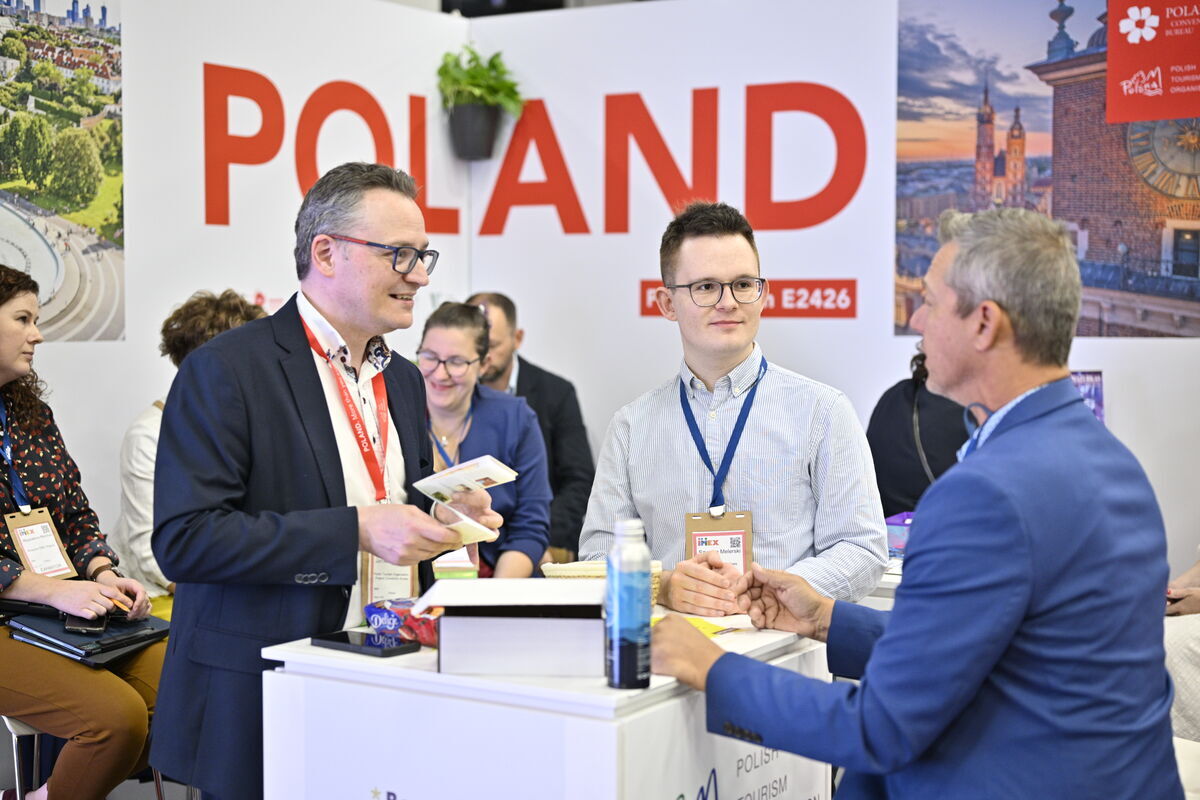
Shane's advice is simple: look into another person’s eyes. This is where honest connection starts.
In a busy event environment, it’s easy for interactions to become quick and transactional. People move from session to session and from meeting to meeting. Community building asks us to slow down and create space for more meaningful exchanges.
For event professionals, this could mean designing smaller conversation formats inside larger events. It could mean giving attendees clear reasons to introduce themselves. It could mean encouraging speakers, exhibitors and attendees to ask questions, rather than simply delivering information.
The best event communities don’t just help people exchange business cards. They help people feel they belong.
3. Listen first
Community grows when people feel heard.
Shane Feldman’s team takes a listening-first approach to event planning. They “start backward” by gathering feedback, surveys, questionnaires, ideas and suggestions from their community before planning begins.
That shift is important. Instead of asking, “What do we want to deliver?”, community-led planning asks, “What does our community need?”
Listening can happen in many ways. Surveys, advisory groups, social media conversations, event app activity, one-to-one conversations and post-event feedback can all reveal what people value most.
The important part is to act on the feedback. If your community shares ideas, show them how those ideas shape the event. If attendees ask for more networking time, build it in. If exhibitors want more relevant connections, look at how meetings and introductions are structured. Listening and then acting creates trust when people can see that their opinion has made a difference.
4. Empower contributors
A community becomes stronger when people are invited to contribute.
Shane Feldman encourages organizations to give ownership to the person who came up with a great idea. Celebrate them, involve them, give them a voice and make them more visible.
This principle applies across the events industry. Attendees, exhibitors, speakers, association members and partners often have ideas, expertise and networks that can enrich the event experience.
Empowerment could mean inviting community members to host a discussion, contribute to content, recommend topics, welcome first-time attendees or share their own learning. It turns people from passive attendees into active contributors.
The result is a more open, generous and engaged community. People feel proud of what they helped create. And that pride becomes part of the event’s energy.
5. Scale impact
A strong community doesn’t end when the event closes.
Shane Feldman talks about scaling impact and creating a mindset switch. For Count Me In, this meant moving from an event-planning mentality to a focus on the long-term effect he could have as a social entrepreneur.
How is this relevant for event planners? Events are powerful moments, but community is built through continuity. There should always be another conversation, another opportunity to contribute or another reason to reconnect.
Scaling impact might mean sharing content after the event, continuing discussions online, inviting feedback, creating year-round education or helping people keep in touch between shows.
The event may be the spark. Community is what extends the value.
The five principles of community building
Successful event communities are built by:
- Creating genuine relationships
- Encouraging meaningful interactions
- Listening to feedback
- Giving attendees ownership
- Building engagement beyond a single event
These principles work because they focus on people first. Technology, content and marketing can all support community building, but they can't replace the human need to connect, contribute and belong.
How to build community before, during and after an event
Community building works best when it's planned across the full event journey. That means thinking about how people connect before they arrive, how they participate while they’re there and how the relationship continues afterward.
Before the event
Before an event, community building could look like:
- Starting conversations online through groups, communities or social media channels
- Introducing speakers and contributors ahead of the event to encourage conversation and build interest
- Sharing useful attendee insights, advice or testimonials about specific event features
- Creating networking opportunities online and highlighting what will be available in person
- Helping first-time attendees understand what to expect with useful content
The pre-show period is an important time to help people feel part of the experience before they arrive.
Start by creating opportunities for people to understand who else will be there and why it matters. Introduce your speakers, promote key themes and share useful attendee insights and testimonials.
If your event has online groups, newsletters or an app, use them to start conversations early.
You can also help people prepare for better networking. Give attendees prompts, suggested questions or clear ways to identify others with shared interests. For first-time attendees, this can make the experience feel more welcoming and less overwhelming.
The goal is to reduce barriers to connection and give people a reason to engage before they are at the event.
During the event
During an event, community building could include:
- Facilitating introductions during networking
- Encouraging participation in education sessions
- Creating welcoming networking spaces
- Promoting attendee-generated content online
During the event, community building becomes visible.
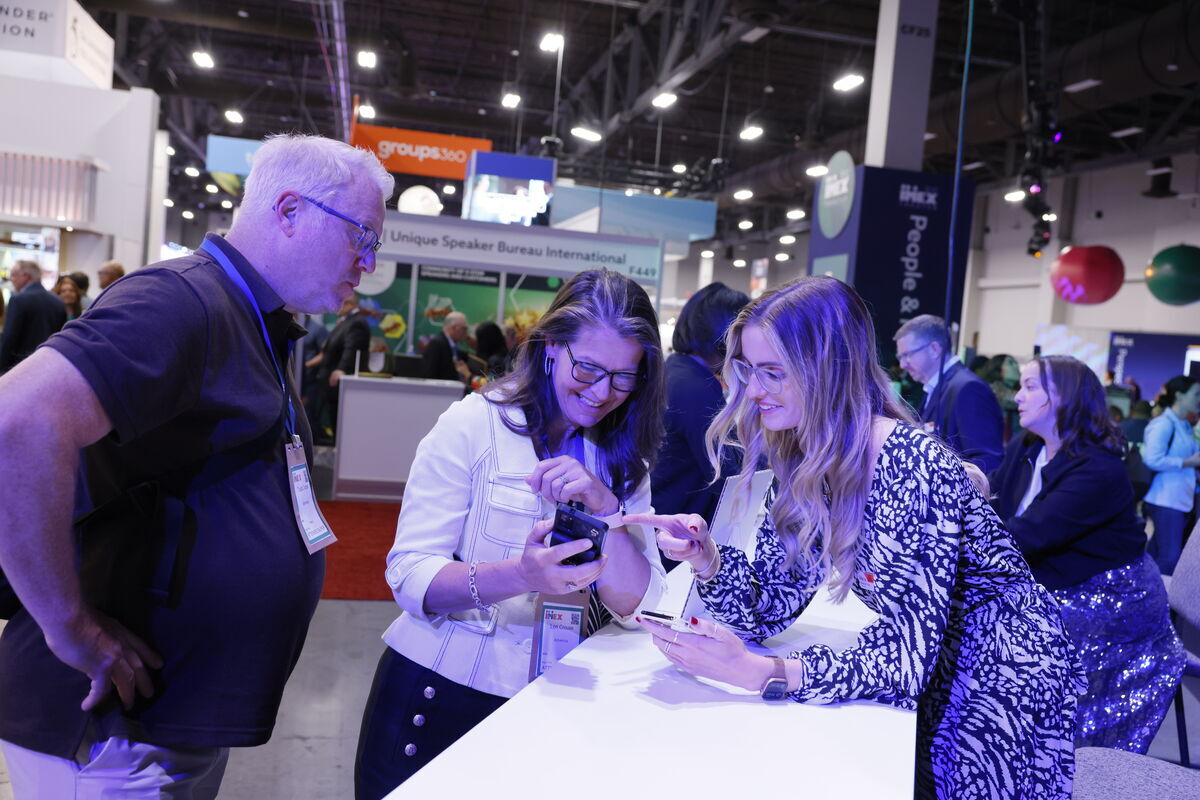
This is when people meet face-to-face, join conversations, attend sessions, visit exhibitor booths and take part in shared experiences. The key is to design those moments with connection in mind.
Facilitated introductions can help people meet others more naturally. Networking spaces can give conversations somewhere to happen. Attendee-generated content can help people share their own perspectives. Interactive education can give people a role in the discussion, instead of asking them only to listen.
Small details matter too. Clear signage, friendly hosts, accessible spaces and inclusive language all help people feel comfortable taking part.
After the event
After an event, community building could look like:
- Continuing discussions online
- Sharing resources and session highlights
- Keeping attendees, exhibitors and partners connected
- Inviting feedback
- Creating reasons to reconnect year-round
Post-event community building is where many opportunities can be missed.
Once the event ends, people often return to their busy lives. Without a good reason to reconnect, the energy can fade quickly. A strong post-event plan can help turn momentum into lasting value.
Continue the conversations that started at the event. Share useful resources, education takeaways, speaker insights and event highlights. Ask for feedback, send quick surveys and then show how that feedback will shape future experiences.
The strongest communities aren’t created by a single moment. They’re built through repeated, meaningful interactions over time.
Community building for different event types
Community building looks different depending on the audience, format and purpose of the event. The principles stay the same, but the approach should reflect what people need from the experience.
Trade shows
At trade shows, community can help attendees, exhibitors, buyers and partners build more valuable relationships. The focus is often on discovery, business conversations and long-term industry connections.
Organizers can support this by making networking easier, encouraging knowledge sharing and creating spaces where people can talk openly about shared challenges and opportunities.
Association events
For associations, community is often central to the value proposition of the event. Members want to learn, connect, contribute and feel part of an industry or shared mission.
Community building can include member-led discussions, peer learning, mentoring, volunteering opportunities and year-round communication.
Incentive events
Incentive travel is not only a reward but also an opportunity to build connections among colleagues. Building anticipation pre-event as well as leaving time for networking and team bonding at the event can help attendees build more meaningful connections at work and beyond.
Building a community at incentive events can add value by strengthening confidence among colleagues and connection to the organization.
How to measure community success
Community can feel personal, human and perhaps a bit nebulous but it can be measured.
What to measure depends on your event's goals. A useful approach is to look beyond attendance alone and track signs of ongoing engagement, contribution and loyalty.
You could track:
- The rate of returning attendees
- Community engagement across social media channels before and after the event
- Event app downloads and engagement
- Referral registrations
- Networking activity
- Feedback quality and quantity
- Participation in year-round content or activities
Qualitative feedback matters too. Are people telling you they feel more connected? Are they sharing ideas, recommending the event to others or contributing without being asked?
Those signals can be just as important as numbers. They can indicate whether your event is becoming something people want to be part of.
Why community matters for the events industry
The business events industry is built on connection. But connections don't happen automatically.
A full room isn't the same as a community. Community takes intention, listening and care.
The opportunity for event professionals is to design experiences that enable people to form relationships, share ideas and keep participating long after the event has ended.
As Shane Feldman’s story shows, community begins when someone chooses to create it.
For event organizers, that choice can shape everything: the way you listen, the way you design your program, the way you support networking and the way you keep people connected year-round.
Plan around connections and your event becomes more than a date in the calendar. It becomes a community people want to return to, contribute to and grow with.
FAQs
1. What is community building in the events industry?
Community building in the business events industry is the process of creating meaningful relationships between attendees, exhibitors, speakers and organizers before, during and after an event. It helps people feel connected, involved and part of something that continues beyond a single event.
2. Why is community important for events?
Community can help events create longer-lasting value. A strong community can increase engagement, loyalty, advocacy and year-round participation.
3. How do you build an event community?
You can build a community by enabling genuine relationships, encouraging meaningful interactions, listening to feedback, empowering your attendees to contribute and keeping people connected beyond the event itself.
4. How do you keep attendees engaged between events?
You can keep attendees engaged by continuing conversations online, sharing useful resources, asking for feedback and creating year-round content, designed specifically for your audience.
5. What makes a strong event community?
A strong event community is active, welcoming and engaged. In a strong community, people feel heard, know how to contribute and understand the value of connection.
6. How can event organizers measure community engagement?
Event organizers can measure community engagement through return attendee rates, event app downloads and activity, referral registrations and recommendations, networking activity and feedback quality.
7. How can exhibitors contribute to community building?
Exhibitors can contribute by sharing useful expertise, starting conversations with other attendees, and building relationships beyond a single meeting or booth visit.
8. What’s the difference between an audience and a community?
An audience attends and consumes content. A community actively participates, exists long after the event, contributes, creates conversations and stays connected over time.