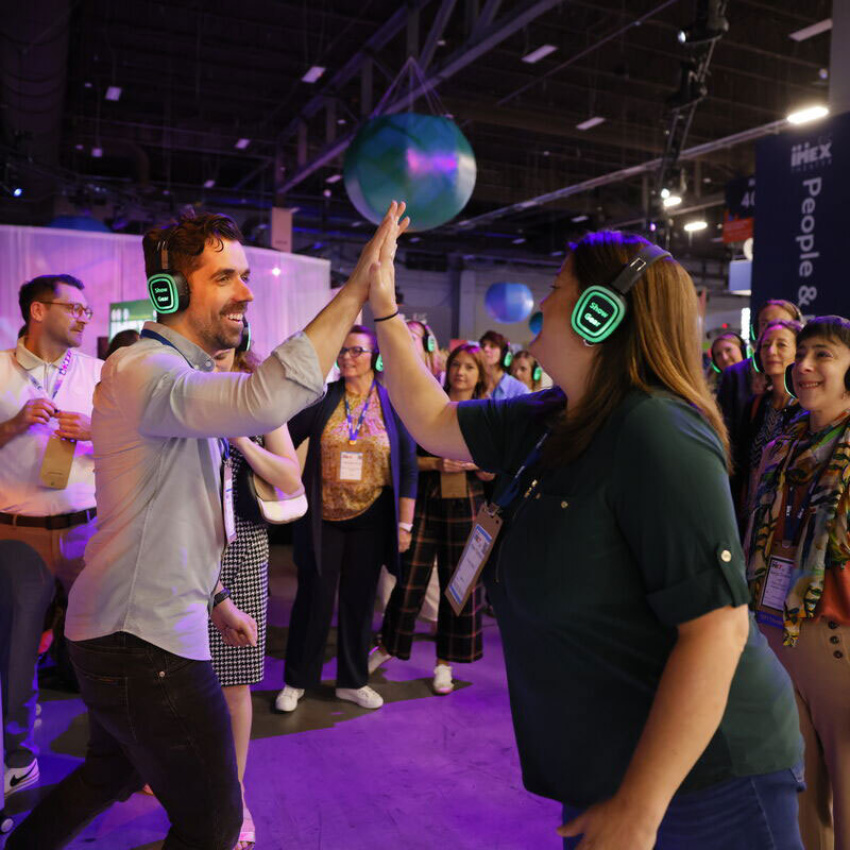

Event professionals are often juggling fixed deadlines, changing requirements, complex stakeholder relationships, travel and long days on site. During busy periods, it can be difficult to step away from work, even when you know you need a break.
These pressures don’t disappear when the event finishes. After weeks or months of work, the sudden change of pace can bring physical exhaustion, disrupted sleep or a loss of momentum. People often describe this as the post-event comedown.
Looking after your mental health as an event planner isn’t about removing every source of pressure or stress. It’s about recognizing the risks and planning time for recovery.
Mental health challenges in the events industry often stem from long hours, travel, tight deadlines and stakeholder management. Addressing burnout starts with creating healthier and more sustainable ways of working. Sustainable working practices can protect well-being and support longer, healthier careers.
Why mental health matters in the events industry
Every profession has periods of pressure or stress, but the rhythm of delivering an event can make that pressure particularly intense.
Workloads often build as an event approaches. Plans become more detailed; deadlines can stack up and last-minute changes need quick decisions. Event professionals may also be balancing client expectations, budget pressures, supplier relationships and the needs of attendees.
Travel and on-site delivery can add another layer of pressure. Familiar routines can be replaced by early starts, late finishes and unfamiliar surroundings. People may also have less control over meals, rest and exercise.
Remote and hybrid working, while offering flexibility, can create a culture of being “always on” and constantly available through your phone or laptop. These demands can create a culture of constant availability. Being busy can feel like proof of commitment. But ongoing stress and constant busyness, without enough rest, can harm focus, decision-making, relationships and health.
What is burnout in the events industry?
Burnout is a state of physical, emotional and mental exhaustion associated with prolonged workplace stress. For event professionals, this can look like long hours, frequent travel and heavy workloads.
Burnout is more than feeling tired after a difficult week. Rest may ease routine tiredness, but persistent workplace stress can have a deeper and longer-lasting effect.
Common signs of burnout in the meetings industry
The experience differs from person to person, but warning signs may include:
- Ongoing physical or mental exhaustion
- Feeling detached from work or the people around you
- Growing cynicism or negativity
- Difficulty concentrating or making decisions
- Reduced motivation
- Irritability or difficulty switching off
- Disrupted sleep
- Withdrawing from family, friends or usual activities
- Feeling overwhelmed by tasks that would normally be manageable
A single difficult day doesn’t necessarily indicate burnout. Patterns matter. If these experiences continue, become more intense or affect daily life, consider speaking to a qualified health professional.
What is the post-event comedown?
Post-event comedown is the physical and emotional change some event professionals experience after an intense period of preparation and delivery.
Before and during an event, attention is concentrated on a defined goal. There may be a strong sense of purpose, rapid decision-making and frequent interaction with colleagues and attendees. When the event ends, that intensity can stop suddenly.
The result may be:
- Physical tiredness
- Low energy or motivation
- Difficulty concentrating
- Changes to sleep
- A sense of flatness after a shared achievement
- Difficulty returning to routine work
- Continued alertness even though the immediate pressure has passed
How to recover after an event
Recovery works best when it’s planned before the event, rather than left until everyone is already exhausted.
Useful steps can include:
- Protecting rest time after the event
- Avoiding filling the first day back with nonessential meetings
- Returning to your usual routine gradually where possible
- Holding a team debrief after people have had time to recover
- Recording lessons learned without turning the discussion into a search for blame
- Re-establishing usual sleep, meal and movement routines
- Checking in with colleagues who carried particularly demanding workloads
A debrief can be useful, but timing matters. An immediate operational review might capture urgent details, while a later conversation can allow for more thoughtful reflection.
The reality of work-life balance in events
Work-life balance doesn’t always mean giving equal time to work and personal life every day. In event management, the balance may change during the buildup to a major event.
A more useful question is whether genuine recovery follows intense periods.
Practical ways to support work-life balance in events include:
- Agreeing when team members are and aren’t expected to respond
- Planning time off around known peak periods
- Protecting annual leave from avoidable interruptions
- Sharing travel and on-site responsibilities fairly
- Avoiding unnecessary early-morning or late-evening meetings
- Building contingency into schedules
- Reviewing workloads before pressure reaches an unsustainable level
- Giving people autonomy over where and how they complete suitable work
These approaches need support from leaders as well. Individuals can set boundaries, but those boundaries are unlikely to last if workloads or workplace expectations repeatedly override them.
Practical well-being strategies throughout the event cycle
A sustainable approach to your well-being as an event professional starts long before the doors open.
Before the event
1. Map the workload
Identify peak periods, critical deadlines and tasks that depend on one person. This can reveal capacity problems early enough to address them.
2. Clarify responsibilities
Make sure everyone knows who owns each decision and when an issue needs to be escalated. Clear roles reduce duplicated work and unnecessary uncertainty.
3. Plan the right resources
Review whether the team has enough time, skills and support
4. Discuss communication boundaries
Agree which channels will be used, what counts as urgent and when people are expected to be available
5. Plan recovery
Put post-event rest and debrief time into schedules before diaries fill up.
During the event
1. Protect breaks
Short, regular breaks can offer opportunities to eat, drink, sit down and reset. Make cover arrangements so people can step away.
2. Check in with the team
Keep check-ins brief and useful. Ask what’s working, what has changed and where support is needed.
3. Delegate clearly
Avoid allowing every decision to flow through one person. Give team members the information and authority they need.
4. Reduce avoidable cognitive overload
Limit unnecessary notifications and keep operational communication concise. Constant task switching can contribute to mental fatigue.
5. Create space to decompress
Quiet or lower-stimulation areas can support people who need a break from crowds, sound and visual activity. It’s helpful to normalize the use of these spaces rather than presenting breaks as a weakness.
After the event
1. Make recovery visible
Leaders can set the tone by taking breaks themselves and avoiding an immediate return to maximum capacity.
2. Debrief constructively
Discuss achievements, challenges and lessons for next time. Focus on improving systems as well as individual actions.
3. Celebrate progress
Recognition doesn’t need to be elaborate. A sincere thank-you and a clear account of what the team achieved can help provide closure.
4. Turn learning into change
Record practical actions, assign ownership and include them in planning for the next event. A debrief has limited value if the same challenges continue to appear event after event.
How employers can help prevent burnout
Mental health can’t be treated as an individual responsibility alone. Employers shape workloads, expectations, resources and workplace culture.
1. Create psychological safety
People need to feel able to ask for help, question a deadline, admit a mistake or raise a concern without fear of humiliation or punishment.
Leaders can support this by listening carefully, responding consistently and avoiding language that celebrates overload. Psychological safety is especially important during event delivery, when early identification of a problem can protect both people and outcomes.
2. Manage workloads, not just symptoms
Wellness activities can be welcome, but they can’t compensate for an unsustainable workload.
Review staffing, priorities, deadlines, travel expectations and the distribution of on-site responsibilities. Ask whether urgent work is genuinely unavoidable or stems from a recurring process issue.
3. Train managers
Managers need the confidence to hold supportive conversations, recognize changes in behavior and direct people to appropriate help. Training should also cover what managers shouldn’t do, including attempting to diagnose a colleague.
4. Build recovery into policy
Consider how working practices address:
- Time off after major events
- Weekend and evening work
- Travel recovery
- Protected annual leave
- Cover during absences
- Flexible working
- Post-event workload expectations
Mental health support and resources
If work is affecting your mental health, you don’t have to manage it alone. Depending on your circumstances, support may be available through:
- Your doctor or another qualified health professional.
- Your employer’s employee assistance program.
- Local or national emergency services if there is immediate danger.
Building healthier, more sustainable careers in events
The events industry runs on energy, good decision-making and human creativity. Protecting those qualities means making recovery part of professional practice, rather than something considered only when exhaustion sets in.
For individuals, that can mean noticing warning signs, setting boundaries and asking for support.
For teams, it can mean sharing responsibility and regularly checking in.
For employers, it means assessing workloads, leadership behaviors and policies as closely as event outcomes.
There isn’t a single solution to burnout or stress in the events industry. But small, consistent changes can create healthier ways of working and more sustainable careers.
By speaking openly, planning ahead and making recovery part of the process, we can help all event professionals, including ourselves, do their best work.
Frequently asked questions
Why is burnout common in the events industry?
Event professionals face hard deadlines, long working days, travel, last-minute changes and high expectations. Without support and recovery, sustained workplace stress can contribute to burnout.
What is a post-event comedown?
A post-event comedown is a physical or emotional change that can happen after an intense time of preparation and delivery. It may include tiredness, disrupted sleep, low motivation or difficulty returning to a normal routine.
What are common signs of event planner burnout?
Possible signs include persistent exhaustion, cynicism, detachment, reduced motivation, difficulty concentrating and feeling less effective at work. These experiences can have different causes, so seek professional guidance if you’re concerned.
How can event planners reduce stress?
Start with clear workload planning, defined roles, realistic priorities and communication boundaries. During delivery, protect breaks, share responsibility and keep operational communication focused. Afterward, allow time for rest and reflection.
How can you maintain work-life balance in event management?
Plan for the entire event cycle. Protect personal time and annual leave, manage travel fairly, clarify availability expectations and follow peak periods with meaningful recovery.
How can event teams support mental well-being?
Teams can normalize asking for help, hold regular check-ins, share workloads and respond constructively when someone raises a concern. Leaders should model the behaviors they want others to follow.
Is event management a stressful career?
Event management can include periods of significant pressure. But stress shouldn’t be accepted as proof of dedication. Thoughtful planning, appropriate resources, supportive leadership and proper recovery can make a career in events more sustainable.
How can employers prevent burnout in event teams?
Employers can review workloads, improve psychological safety, train managers and offer flexible working arrangements where appropriate. They can also set clear policies for travel, time off, and recovery after events.
When should someone seek professional support?
Consider professional support when stress, tiredness, sleep changes, low mood or difficulty functioning persist or interfere with daily life. Seek urgent local help if there is an immediate risk to anyone’s safety.